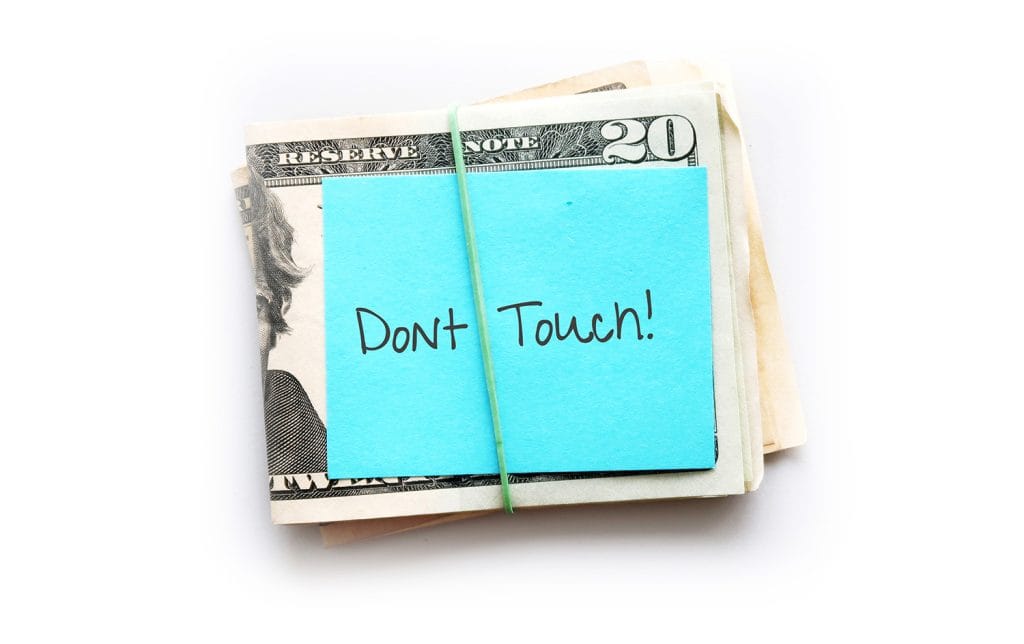
Expect the Unexpected: Why You Need an Emergency Fund
Having money on hand to cover unexpected bills is good for your financial health. Learn about starting an emergency fund.
Love happens year-round, not only on Valentine’s Day. Unfortunately, romance scams are the same. So, along with sharing (or not) some chocolate, make Valentine’s Day a time to share with people you care about some ways to spot and avoid romance scams. Because, according to a new FTC report, people sent $547 million to online romance scammers last year.
While many of the people who told the FTC they were defrauded said they were contacted on a dating app, romance scammers found them on social media, too. In fact, more than a third of the people who lost money to an online romance scam said the contact started on Facebook or Instagram, often through an unexpected private message.
Romance scammers typically spin complicated stories to convince people to send money. In 2021, people reported scammers asking them to send money for one (imaginary) health or financial crises after another. Other scammers pretended to be successful cryptocurrency investors and used romance to lure people into sending money for bogus investments.
Scammers ask to get paid in ways that let them get money quickly and anonymously. In 2021, about one in four people used a gift card to send money to a romance scammer. The most money was reported lost — $139 million — through payments made in cryptocurrency.
How can you avoid a romance scam?
February 10, 2022 by Bridget Small, Consumer Education Specialist, FTC
Having money on hand to cover unexpected bills is good for your financial health. Learn about starting an emergency fund.
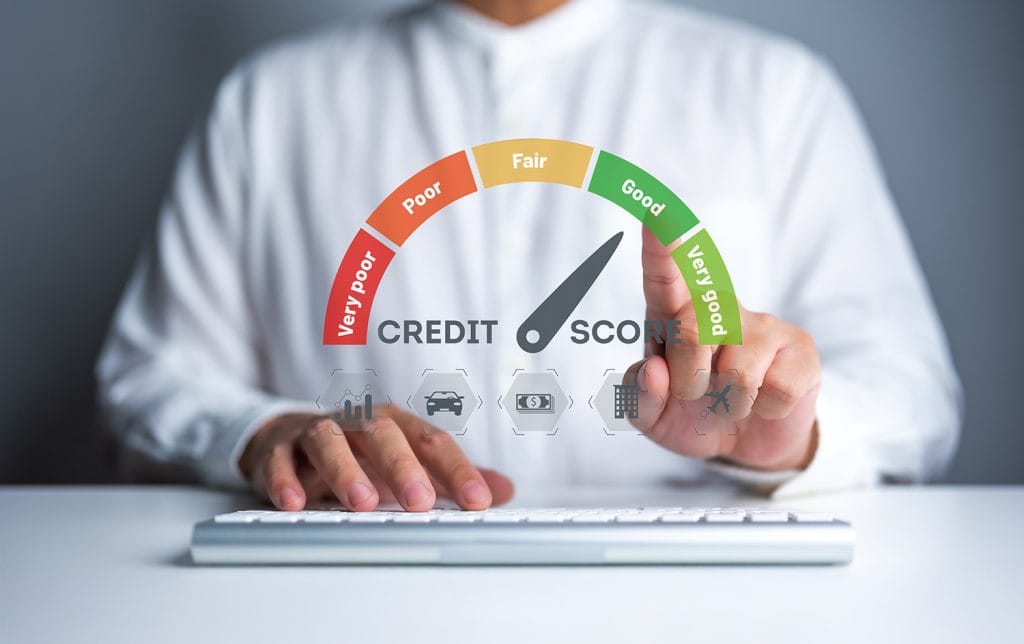
Learn seven ways you can raise your credit score and improve creditworthiness.

Learn the essential basics of budgeting, plus practical tips designed to foster better money habits.
What Is an Emergency Fund? Let’s start with the basics: An emergency fund is cash that you keep separate from your other savings to help you deal with unexpected life events and emergencies. Keep in mind that your emergency fund should be used only for true emergencies. Don’t use it as a vacation fund >>
Achieving and maintaining a good credit score makes all the difference in qualifying for loans and a mortgage, getting a better rate on a car loan and car insurance, and so much more. But building a good credit score takes time and sound fiscal management. If your credit score has taken a hit or you >>
Budgeting Is for the Best Budgeting is a crucial step toward financial empowerment, offering you clarity and control over your finances. Here’s how a well-planned budget can transform your financial life: Identify wasteful spending. Uncover and address your budget busters – those small, frequent expenses that quietly drain your wallet. Make savvy money moves. Gain >>
© South Bay Credit Union. All Rights Reserved. Each account insured up to $1,000,000 by American Share Insurance. By members’ choice, this institution is not federally insured. The credit union is not insured by any state government.
© South Bay Credit Union. All Rights Reserved. Each account insured up to $1,000,000 by American Share Insurance. By members’ choice, this institution is not federally insured. The credit union is not insured by any state government.



Copied to clipboard!
 Hi, I'm Sunny! How can I help you today?